Painting.
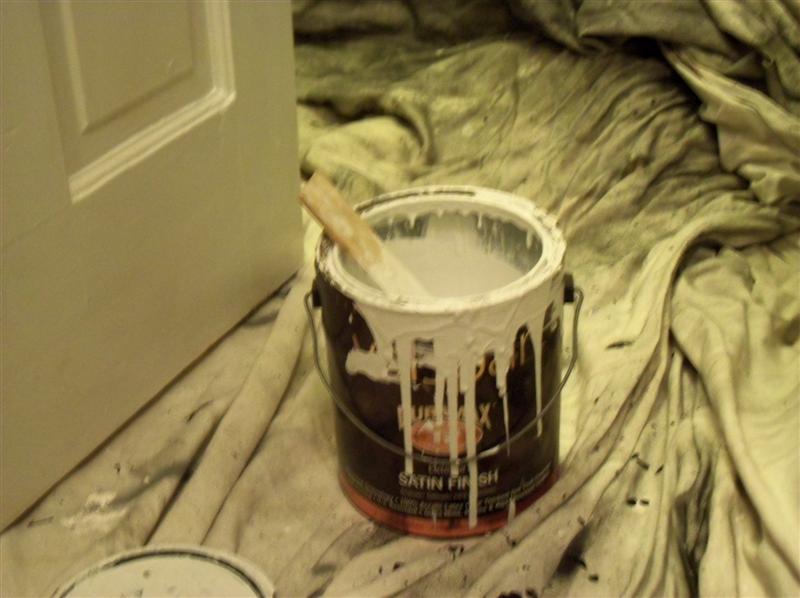 I've
been working on my house which was built in
the 60s. It has the original interior doors, and probably 20
layers of paint of them, most of them way too thick.
I've
been working on my house which was built in
the 60s. It has the original interior doors, and probably 20
layers of paint of them, most of them way too thick.If you're gonna paint something, do it in thin layers. Don't just slop paint on hoping it covers up all the imperfections. Sure, the new paint probably looks better than all the grunge that was there at fist glance, but anyone that looks close will see a poor job.
I found that one of the walls in my hallway had previously held a dart board. While the quick fix of gobs of paint covered it up when I bought the place, over the years, I've noticed that different lighting conditions shows various degrees of bumps and dents. I finally took a sander to it, and revealed all the dart holes in the drywall. Not just holes, they had expanded, swelled with moisture, I imagine, transforming into drywall pimples. Some filler and more sanding, and I don't think those pimples will return.
Another thing with walls and ceilings is paint is not going to cure a problem that is beneath the surface. Particularly in bathrooms, where there are many places for moisture to accumulate. Cover it up with as much paint as you want, that underlying problem will eventually make it to the surface again.
So today, I put my thin layer of paint on the door, and tomorrow, I will sand out the drips from previous jobs. And fill the gouges that I didn't notice when I prepped the door. A thin coat of paint helps bring these out. A thick coat just helps you forget they are there.
Whether you're painting a door or wall, take the time to do it in small steps. Do a thin coat, look it over for imperfections, fix them and add another thin coat.
I'm far from an expert at painting, but I'll feel better about my doors and walls. I hope in another 6 years they will still look good.Today, I heard a lady comment, "You can dress up the outside, but that doesn't help the inside". I think she was talking about people, not doors.
Well, whatever you're fixing, be it doors or people, fix the underlying problem, and the outside will need much less maintenance to look good.
Your apprentice carpenter,
Joe Wronski November 6, 2010
